
FizziQ Activities
Science experiment protocols designed by teachers and tested in the classroom. Filter by level, type, or search for a specific activity. New here? Start with our guide Doing Physics with a Smartphone.
109 activities

Destructive sound interference
This activity allows students to understand the principle of destructive interference used in active noise reduction headphones. It develops the ability to visualize complex wave phenomena.

Heart rate by accelerometer
This activity allows students to visualize heartbeats through small movements detectable by the accelerometer. It establishes a concrete link between technology and physiology.

Acoustic beats at 440/441 Hz
This experience allows students to discover the phenomenon of acoustic beats and its musical applications. It develops their auditory perception while illustrating the principles of wave interference.

Adding sound levels in decibels
This experiment allows us to discover that the addition of two identical sound sources does not lead to a doubling of the perceived intensity but to a lower gain. It introduces the notion of logarithmic decibel scale.

Additive RGB color mixing
Study the mixing of primary colors using one smartphone screen as a source and a second phone's camera as a detector.
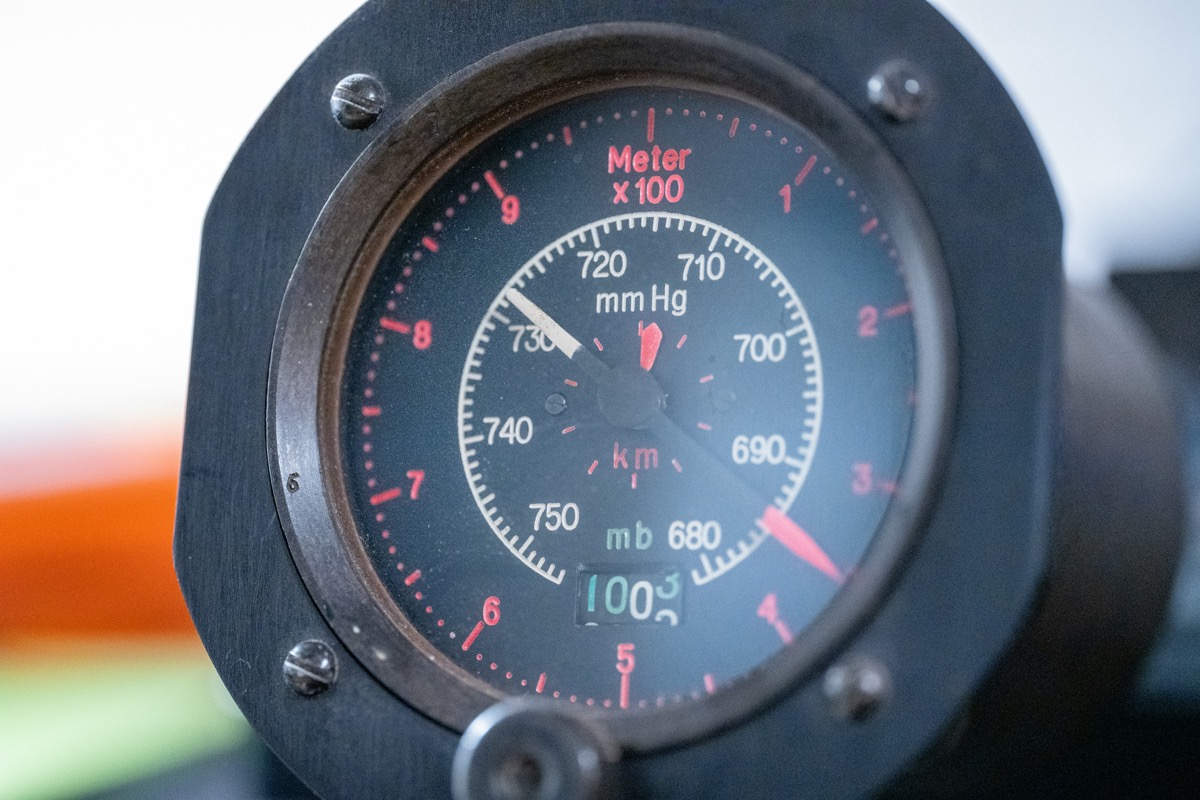
Barometric altimetry
This experiment allows students to understand the relationship between atmospheric pressure and altitude. It develops the ability to establish mathematical models from experimental data.

Centripetal acceleration: spinner
This experiment allows students to understand the concepts of centripetal acceleration and g-force in a concrete way. It establishes a tangible link between theoretical physics and a real application in the space domain.
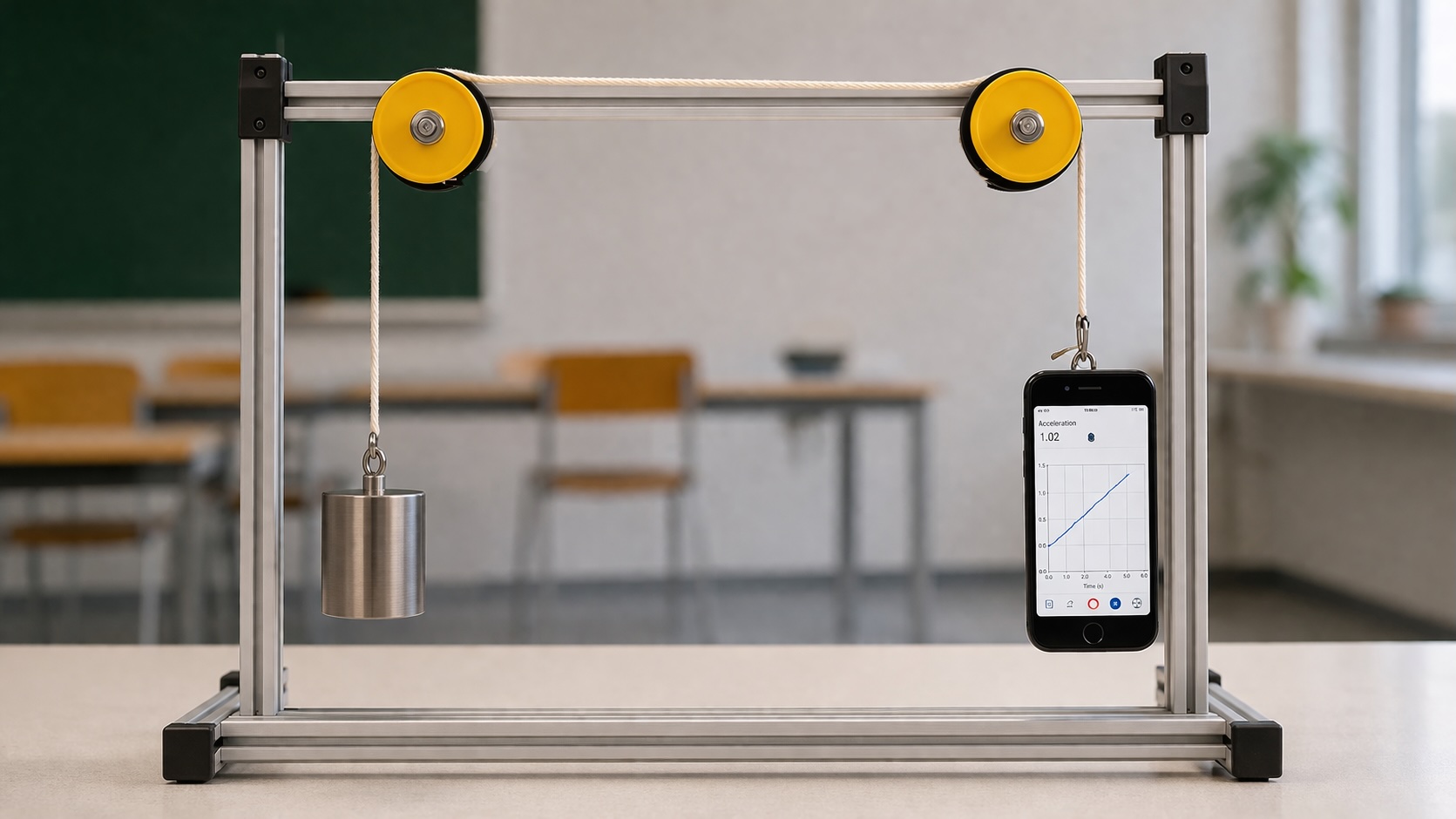
Atwood machine: Newton's 2nd law
Study Newton's second law (F = ma) by measuring the acceleration of a cart connected to a suspended mass through a pulley.

Aerodynamics of a shuttlecock
This activity allows students to discover how aerodynamic forces modify the trajectory of a badminton shuttlecock. It develops the ability to compare a theoretical model with real data.
Ballistics with air resistance
Compare the trajectory of a projectile with and without air resistance to understand the effect of drag on range and trajectory shape.

Parabolic trajectory: basketball
This activity allows students to analyze the parabolic trajectory of a basketball during a shot. It develops skills in mathematical modeling and kinematic analysis.
Beer-Lambert law with a lux meter
Discover the exponential law of light absorption by measuring transmission through an increasing number of translucent sheets.

Elastic collision: billiards
This experiment allows students to observe and quantify the conservation of mechanical energy during a collision. It develops their ability to use video analysis to measure physical quantities and to interpret the gaps between theory and practice.
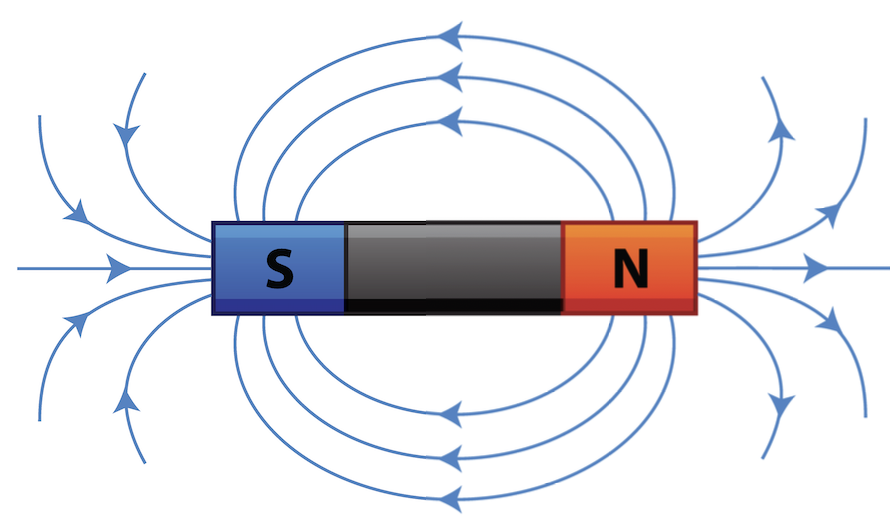
Biot-Savart law: a coil
This activity allows students to experimentally verify the relationship between the intensity of the electric current and the magnetic field produced. It develops the ability to establish a relationship between physical quantities and to deduce a law.

Coefficient of restitution
Study energy conservation during ball bounces by measuring the time intervals between each impact using the smartphone microphone.
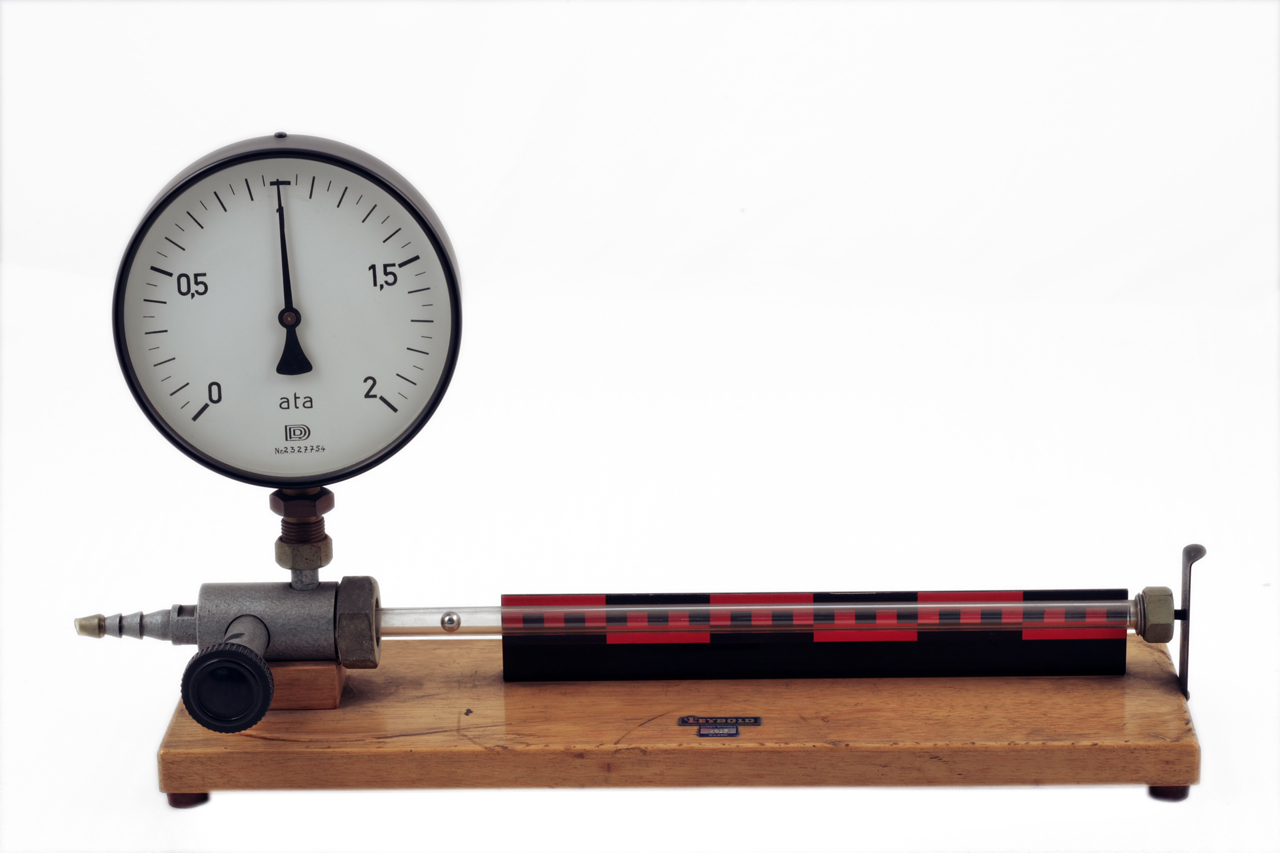
Boyle's law: PV = constant
Verify Boyle's law (PV = constant at fixed temperature) by compressing and expanding gas with the piston in the FizziQ Web Ideal Gas simulation.
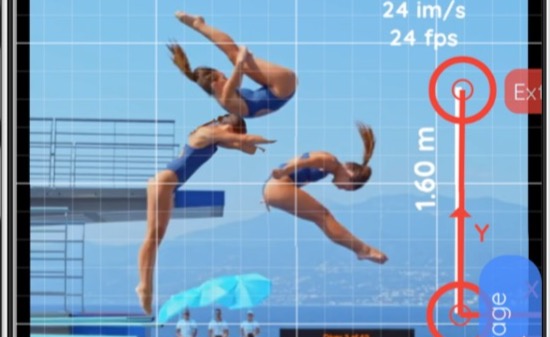
Center of gravity of a diver
This experience allows students to understand the concept of center of gravity and its behavior during a complex movement. It develops the capacity for precise observation and understanding of the fundamental laws of mechanics.
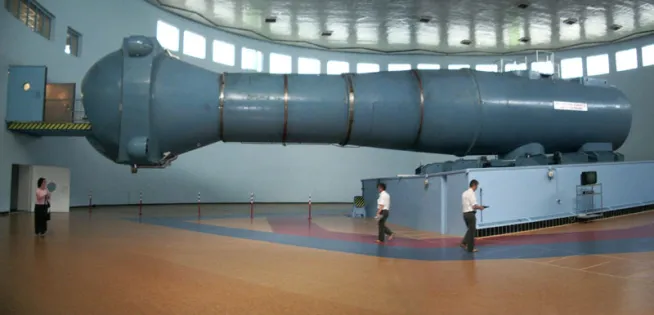
Centrifuge: a = ω²r
Study centripetal acceleration and g-force in circular motion by varying the rotation speed and radius with the FizziQ Web Centrifuge simulation.

Sound level and distance
This activity allows students to understand the relationship between sound level and distance from the source. It raises awareness of the hearing risks linked to exposure to high sound levels.

Combustion stoichiometry
Experimentally verify the stoichiometry of paraffin combustion by calculating the ratio of O₂ consumed to CO₂ produced.
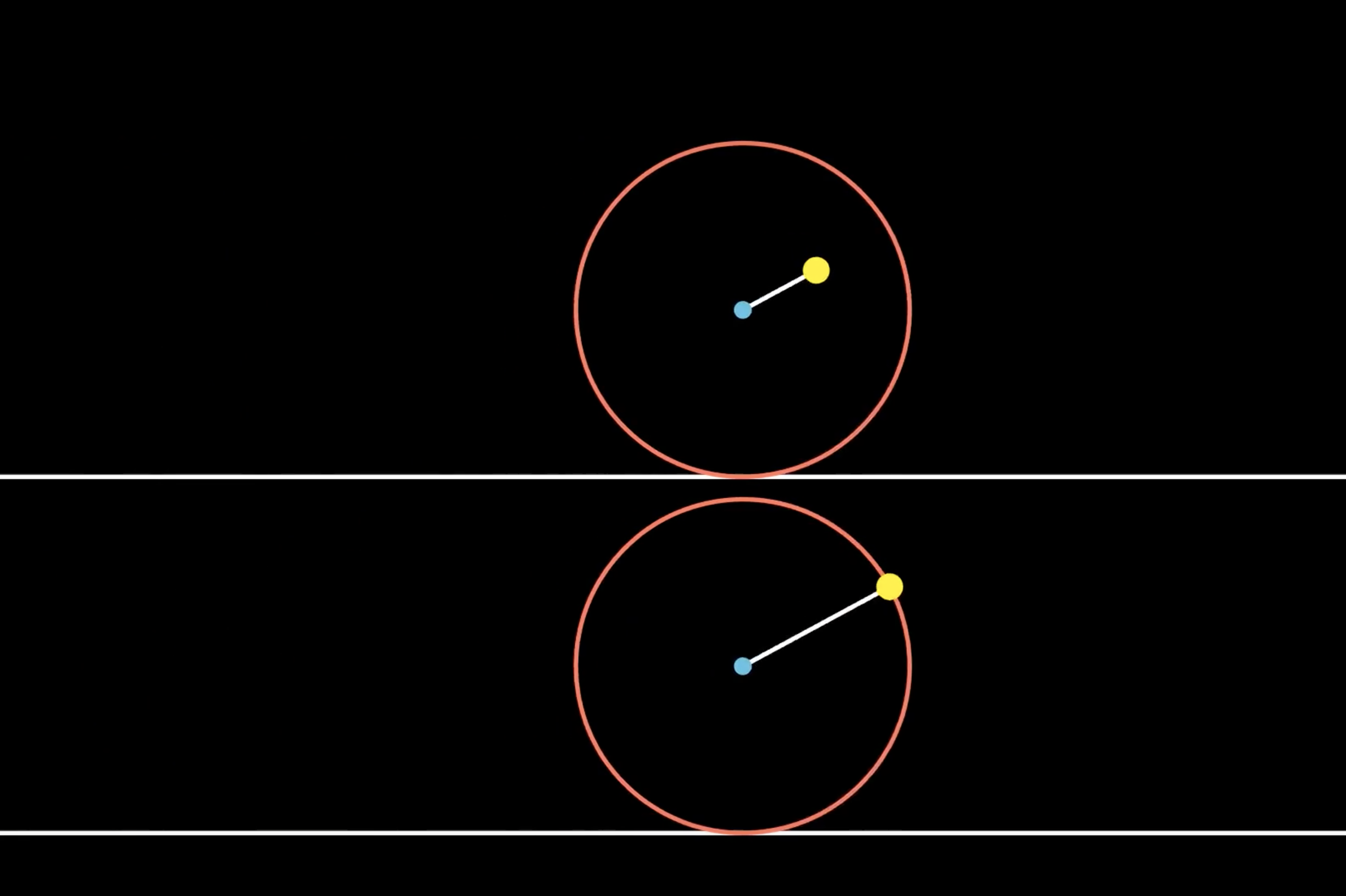
Cycloid of a rolling wheel
This activity allows students to discover the mathematical curve that is the cycloid and its geometric properties. It develops the ability to analyze complex movement using digital tools.

Doppler effect of a vehicle
This activity allows students to understand the Doppler effect and use it to calculate the speed of a moving vehicle. It demonstrates how an acoustic phenomenon can serve as a measurement tool.
Einstein's equivalence principle
This activity allows students to intuitively understand Einstein's equivalence principle, the basis of general relativity. She uses the smartphone's accelerometer to illustrate how gravity and acceleration produce locally indistinguishable effects.

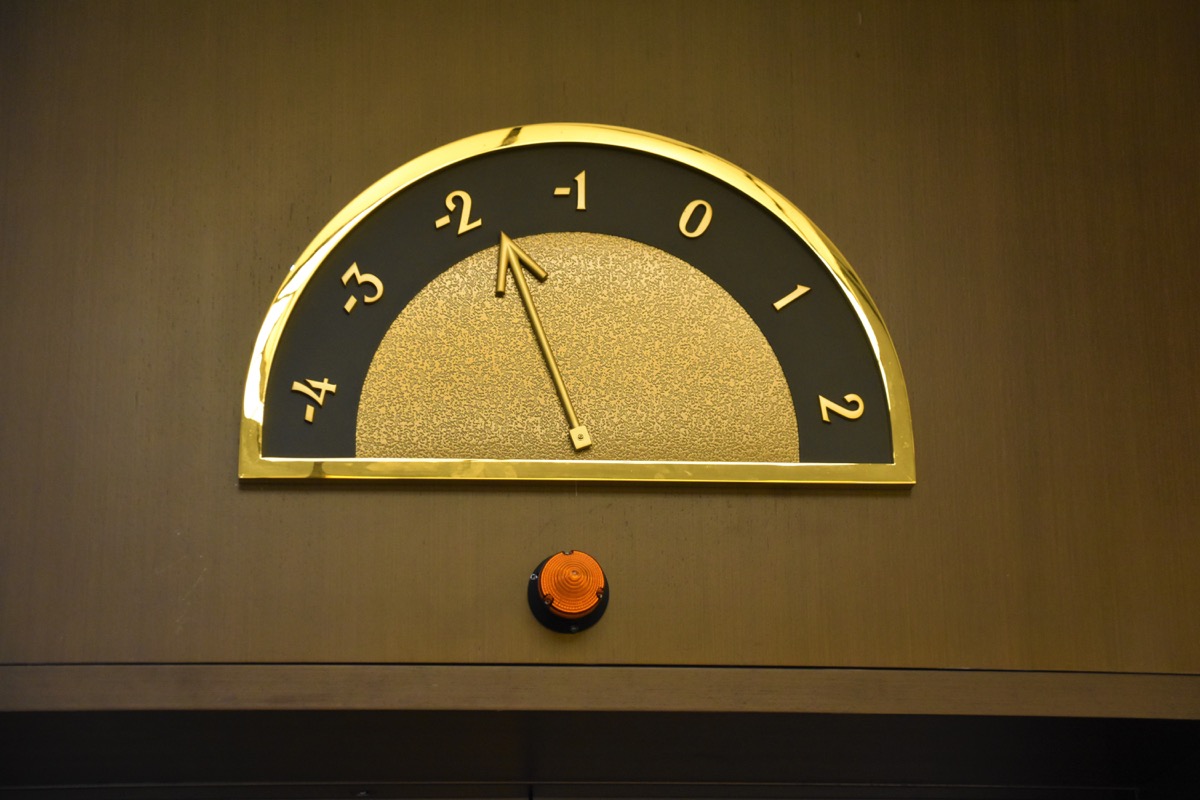
Elevator speed by barometer
Measure the speed, distance traveled, and acceleration of an elevator using the smartphone barometer.
Measuring g by video analysis
This activity allows students to experimentally determine the value of the acceleration of gravity by video analysis. It concretizes the equation of parabolic motion using digital modeling tools.
Sensor accuracy: standard deviation
This activity helps students understand the concepts of measurement precision and uncertainty. It develops critical thinking regarding measuring instruments and introduces the statistical analysis of data.

Colorimetry of autumn leaves
This activity allows students to scientifically analyze leaf color changes in fall. It makes the link between visual observation of plant biology and spectral analysis of colors.
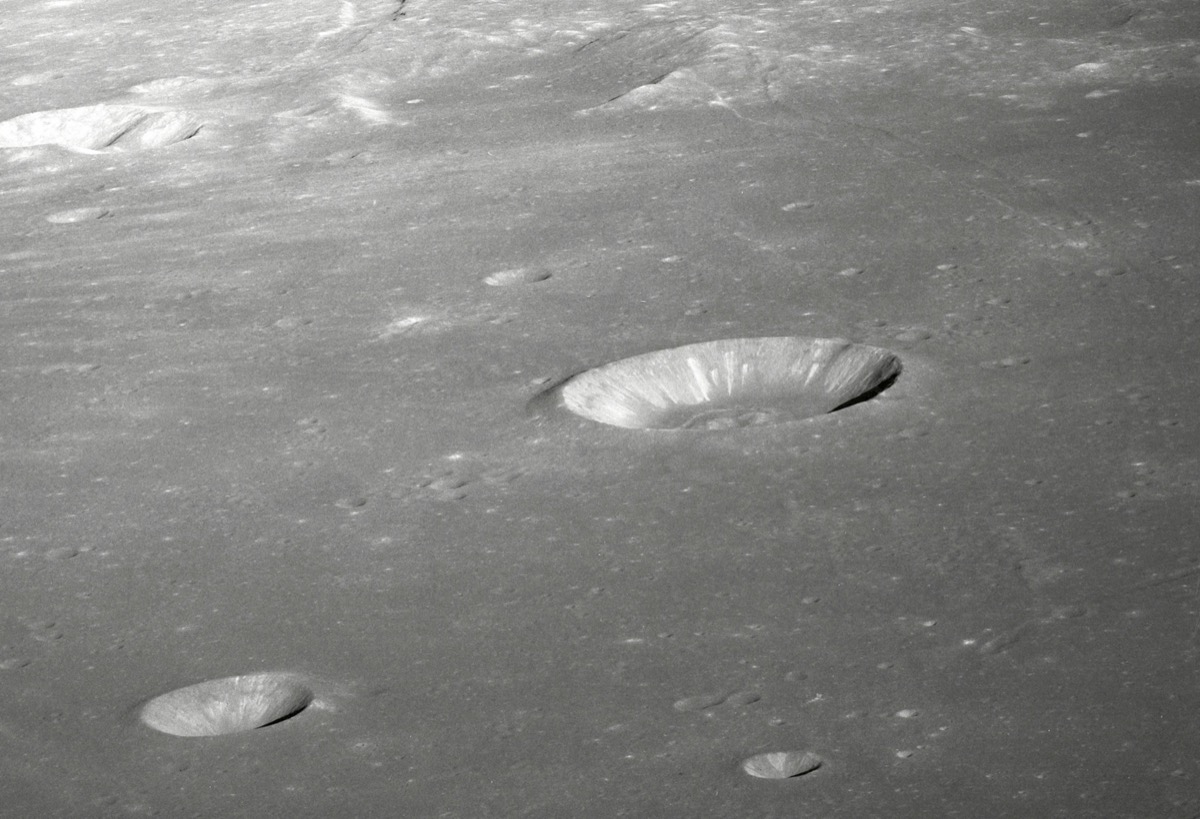
Impact vibrations and seismics
This activity allows students to understand the propagation of seismic waves and the transfer of energy during an impact. It makes the link between an astronomical phenomenon and its physical measurement.

Faraday standing waves
Use the FizziQ frequency generator with a loudspeaker to create spectacular standing waves on the surface of a liquid.

Free fall: measuring g
This activity allows students to experimentally determine the value of the acceleration of gravity by analyzing a free fall. It reproduces Galileo's historical approach with modern tools.
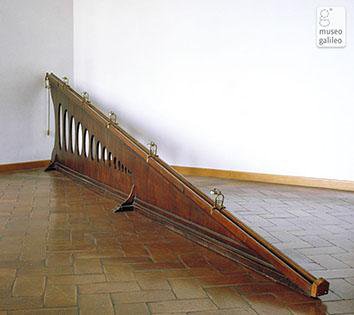
Galileo's inclined plane: d ∝ t²
Verify Galileo's law on the inclined plane: the distance traveled is proportional to the square of time, and the acceleration equals g × sin(α).
Ideal gas law by barometer
Observe the relationship between pressure and temperature in a sealed volume using the smartphone barometer.
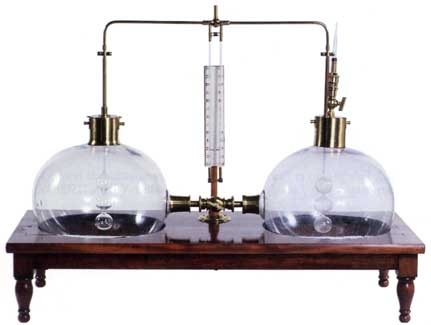
Gay-Lussac's law: absolute zero
Verify Gay-Lussac's law (P proportional to T at constant volume) and estimate absolute zero with the FizziQ Web Ideal Gas simulation.
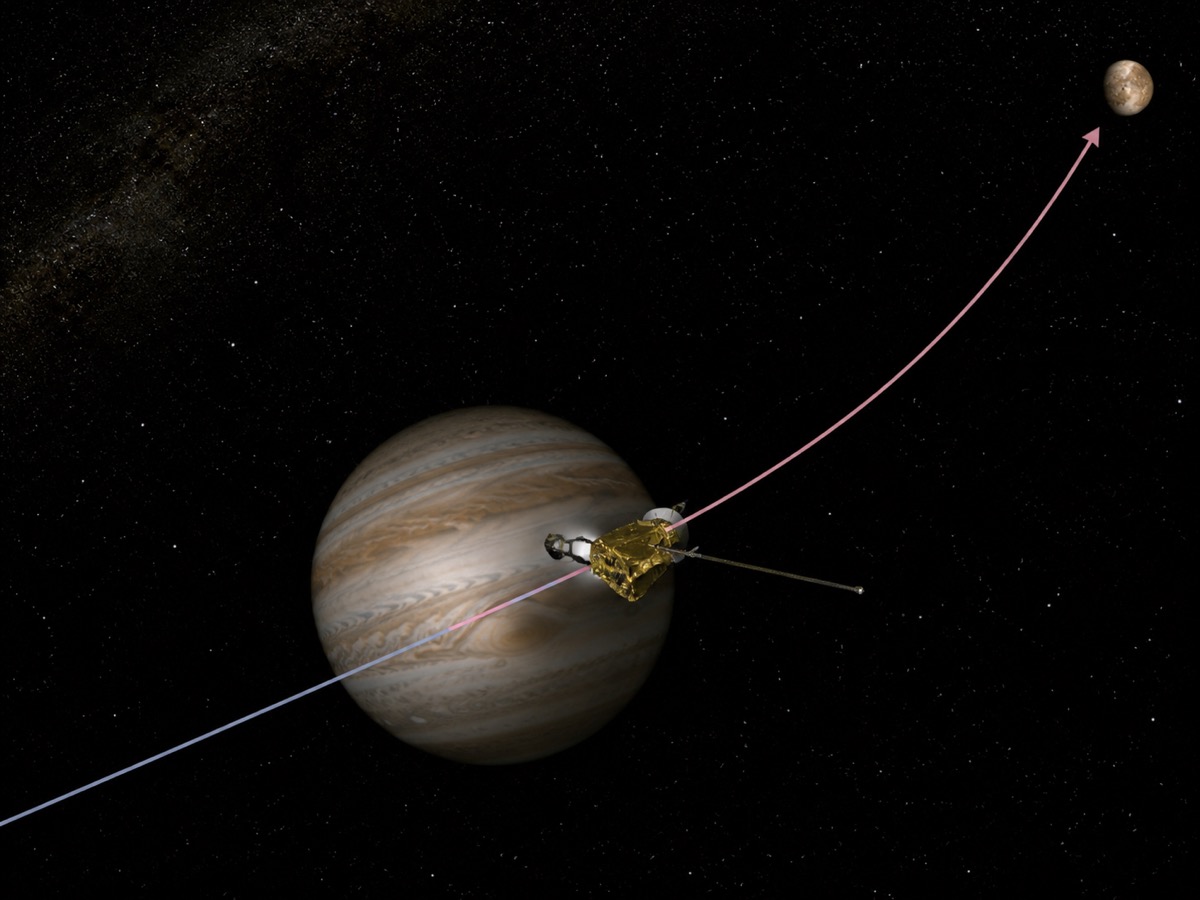
Gravitational slingshot
Study the gravitational slingshot used by space probes by flying past a moving Saturn, and observe acceleration or deceleration depending on the side of approach, with the FizziQ Web Orbits and Gravitation simulation.

Radiative effect of CO₂
Model the greenhouse effect by comparing the heating of a CO₂-enriched atmosphere (carbonated soda) and a normal atmosphere (flat soda) under a lamp.
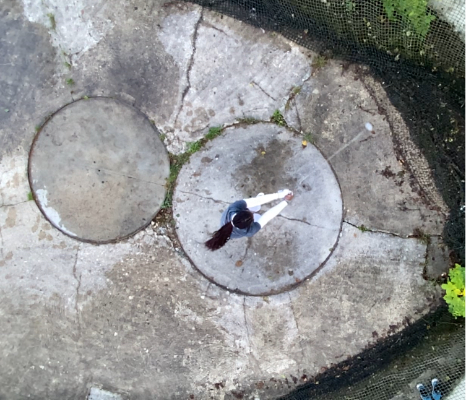
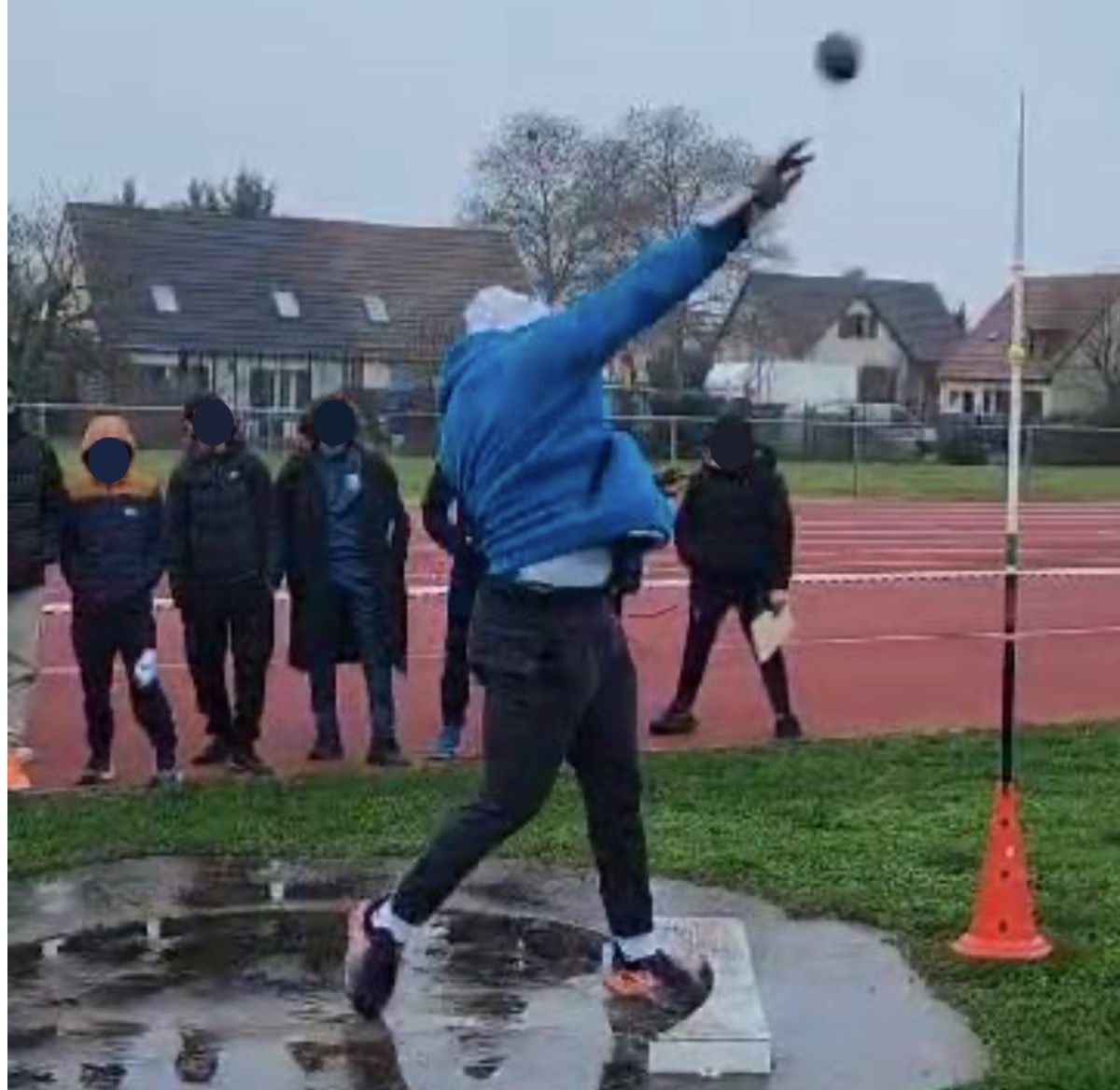
Hammer throw: v = ω × r
This activity allows students to understand the transformation of circular motion into linear motion. It develops the ability to analyze a sporting performance with scientific tools.
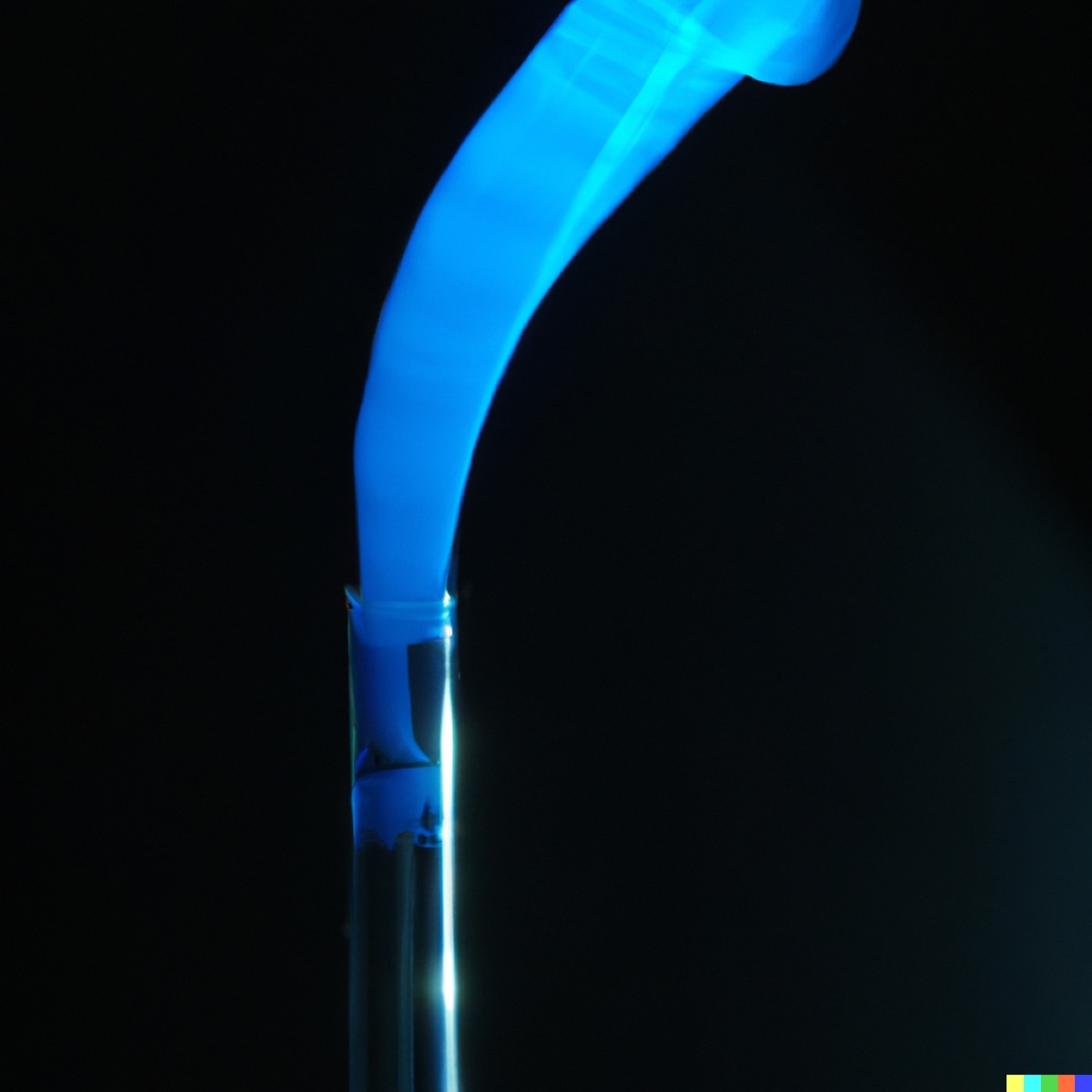
Speed of sound: a test tube
This activity allows students to measure the speed of sound using acoustic resonance in a tube. It illustrates how vibrational phenomena can be used to determine fundamental physical constants.
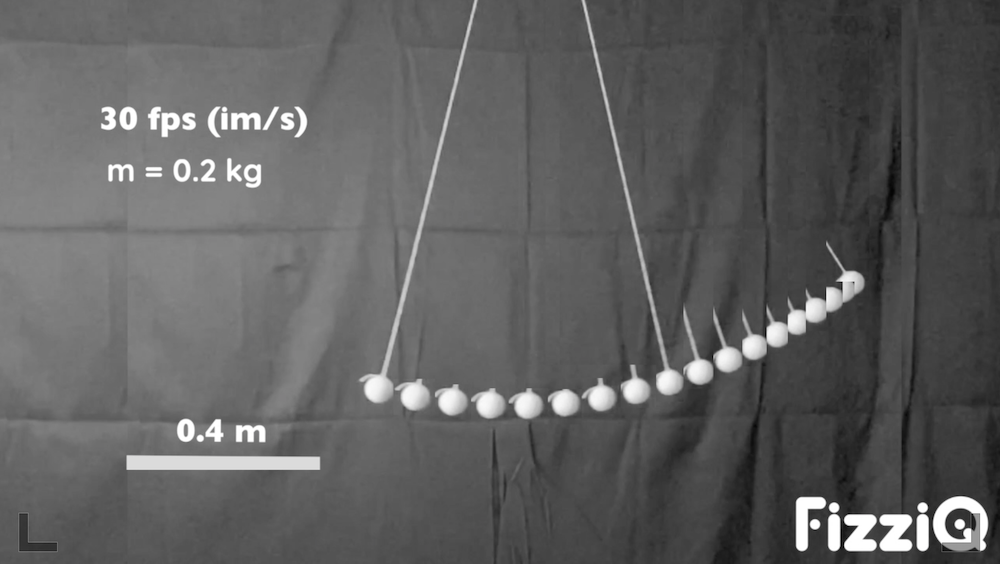
Mechanical energy of a pendulum
This activity allows students to experimentally verify the principle of conservation of mechanical energy for a pendulum. It develops the ability to analyze an oscillatory movement and to quantify energy transformations.

Illuminance: the 1/d² law
This activity allows students to experimentally verify the inverse square law that governs the propagation of light. It develops the ability to make systematic measurements and identify mathematical relationships.
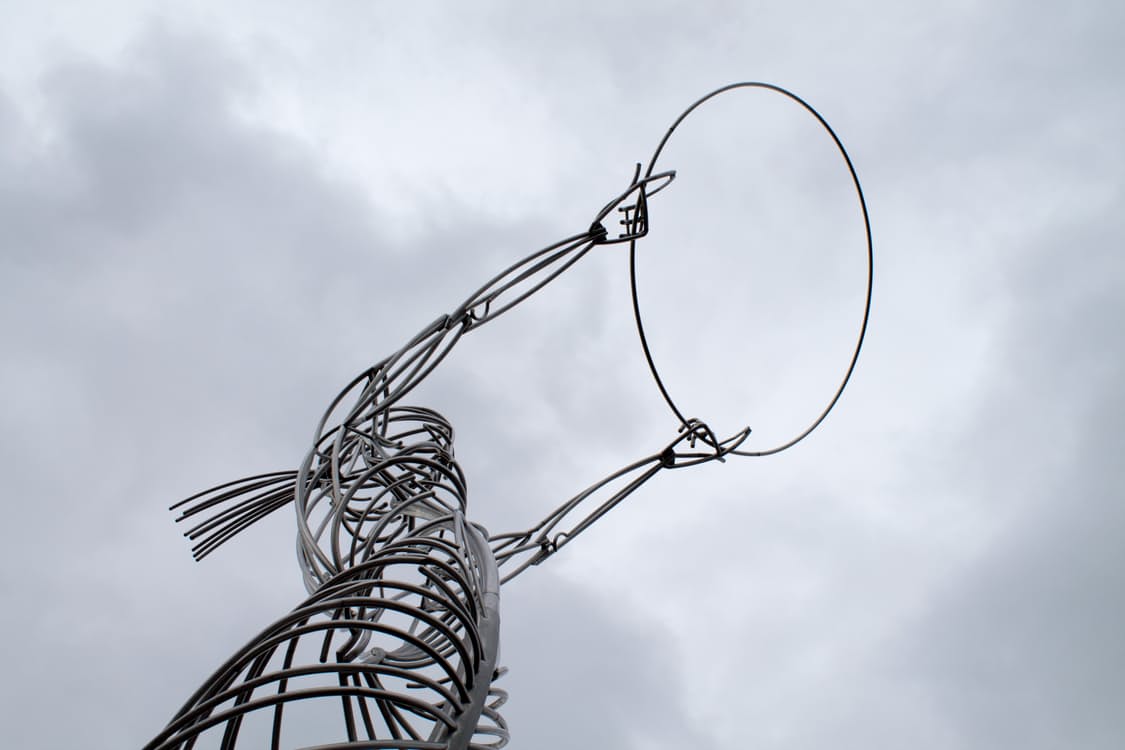
Normal acceleration in rotation
This activity allows students to experimentally verify the relationship between centripetal acceleration and angular velocity. It makes the link between the theoretical equations of circular motion and real measurements.

Inclined plane: weight components
Study the decomposition of weight into parallel and perpendicular components on an inclined plane using the smartphone's accelerometer and inclinometer.

Variation of g with latitude
This activity allows students to verify that the acceleration of gravity varies depending on the Earth's latitude. It recreates an important historical discovery with modern tools.

Law of sines with a theodolite
This activity allows students to measure inaccessible distances using the principles of trigonometry. It concretely applies the law of sines in a field context.
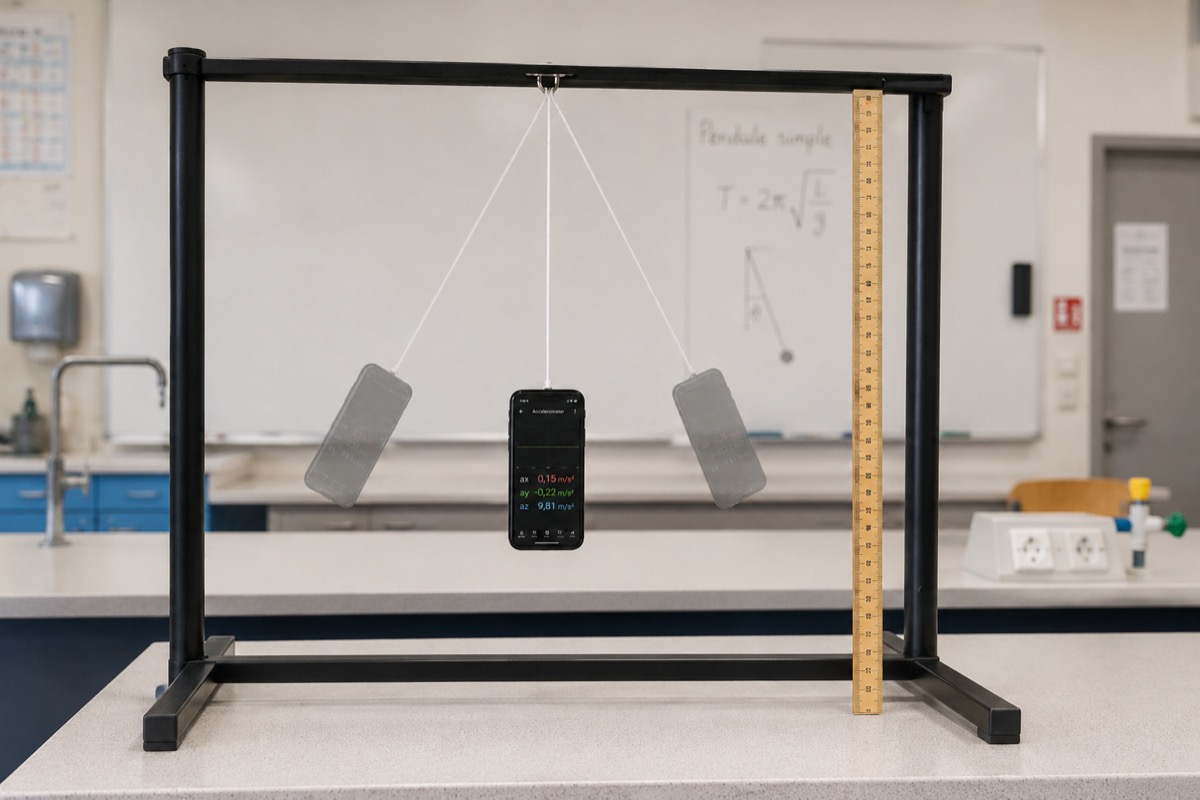
Pendulum: a = 2gh/r
This activity allows students to experimentally verify the principle of conservation of energy for a pendulum. It links theoretical calculation and practical measurements to validate a fundamental law of physics.

Variation of g with altitude
This activity allows students to experimentally verify the variation of the acceleration of gravity with altitude. It concretizes the law of universal gravitation and develops the ability to measure small variations.

Orbital period of the Moon
Measure the Moon's orbital period around Earth and compare it to the real value of 27.3 days with the FizziQ Web Orbits and Gravitation simulation.
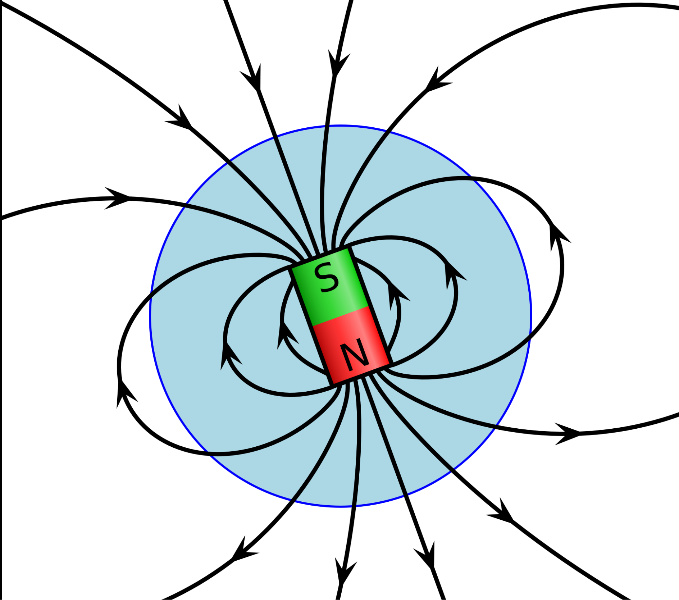
Magnetic inclination and latitude
This activity allows students to determine their magnetic latitude from measurements of the Earth's magnetic field. It develops the understanding of terrestrial magnetism and geographic coordinates.
Speed by magnetic markers
Measure the speed of a moving object using magnets placed at regular intervals and the smartphone magnetometer.

Magnetic detection of objects
This activity allows students to understand how metal detectors work and explore the magnetic properties of different materials.

Tree height with a theodolite
This activity allows students to measure the height of inaccessible objects using trigonometry principles. It applies mathematical concepts to a concrete indirect measurement situation.

Cellular respiration of muscle
Demonstrate cellular respiration in muscle cells by measuring the gas exchange of a piece of beef in a sealed chamber with FizziQ Connect sensors.

Elastic shock: Newton's cradle
This activity allows students to verify the conservation of mechanical energy during collisions between the balls of a Newton's pendulum. It develops the ability to analyze energy transfers and understand conservation concepts.
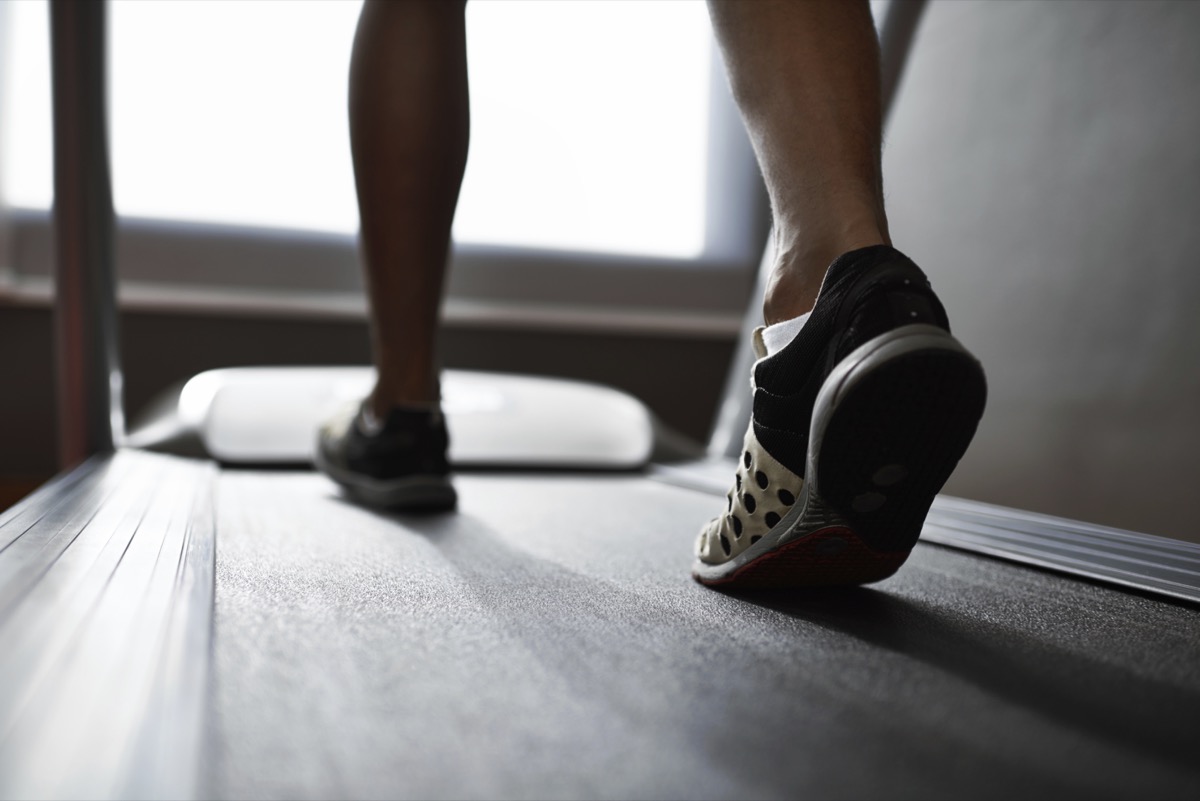
Pedometer and step detection
This activity allows students to understand how a pedometer works by analyzing acceleration data while walking. It develops the understanding of the concrete applications of motion sensors.

Optimal launch angle: 45°
Discover the launch angle that maximizes a projectile's range and observe the symmetry of trajectories with the FizziQ Web Ballistics simulation.
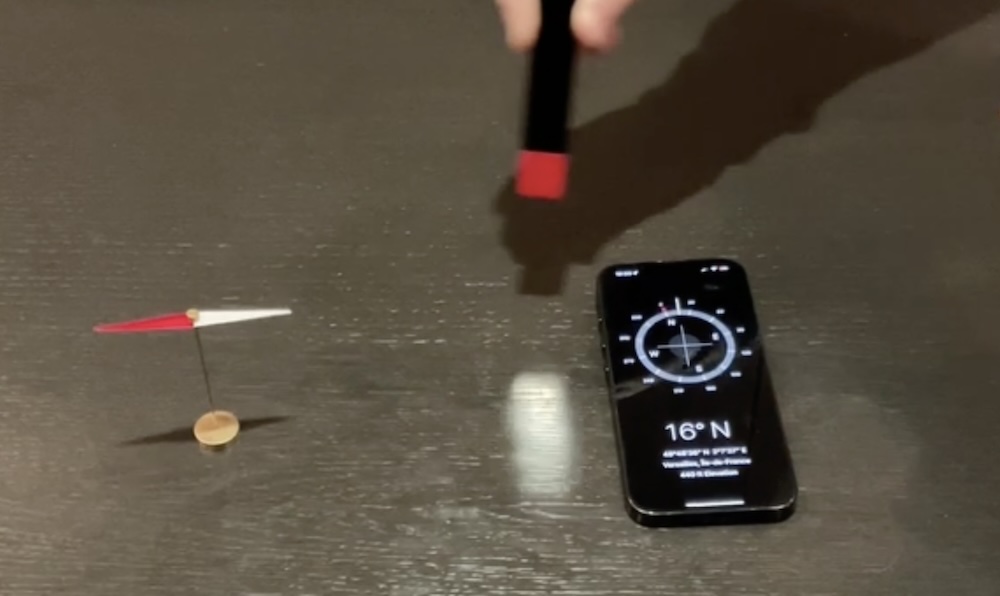
Magnetic north by magnetometer
This activity allows students to understand how a compass works and to use the smartphone's magnetometer to orient themselves. It develops the understanding of the earth's magnetic field and its practical applications.
Mass-spring oscillator: period
Discover how mass and spring stiffness influence the oscillation period with the FizziQ Web Spring Oscillator simulation.

Parabolic flight and microgravity
This activity allows students to understand the phenomenon of weightlessness by simulating a parabolic flight with their smartphone. It develops the understanding of free fall movement and the effects of gravity.

Combustion: tracking O₂ and CO₂
Observe gas exchange during candle combustion in a sealed chamber by tracking O₂ and CO₂ concentrations with FizziQ Connect.

Pendulum period: isochronism
This activity allows students to experimentally verify that the period of a pendulum is independent of the amplitude of the oscillations. It develops skills in precision measurement and the experimental approach in science.
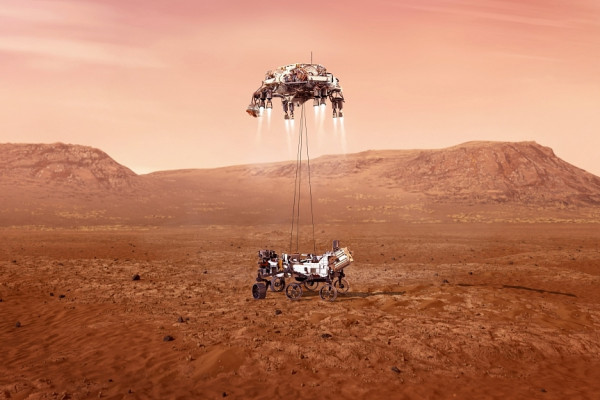
Straight-line course, no compass
This activity allows students to develop strategies for maintaining a straight trajectory without external cues such as GPS or the magnetic field. It simulates the autonomous navigation challenges encountered by robots on Mars.
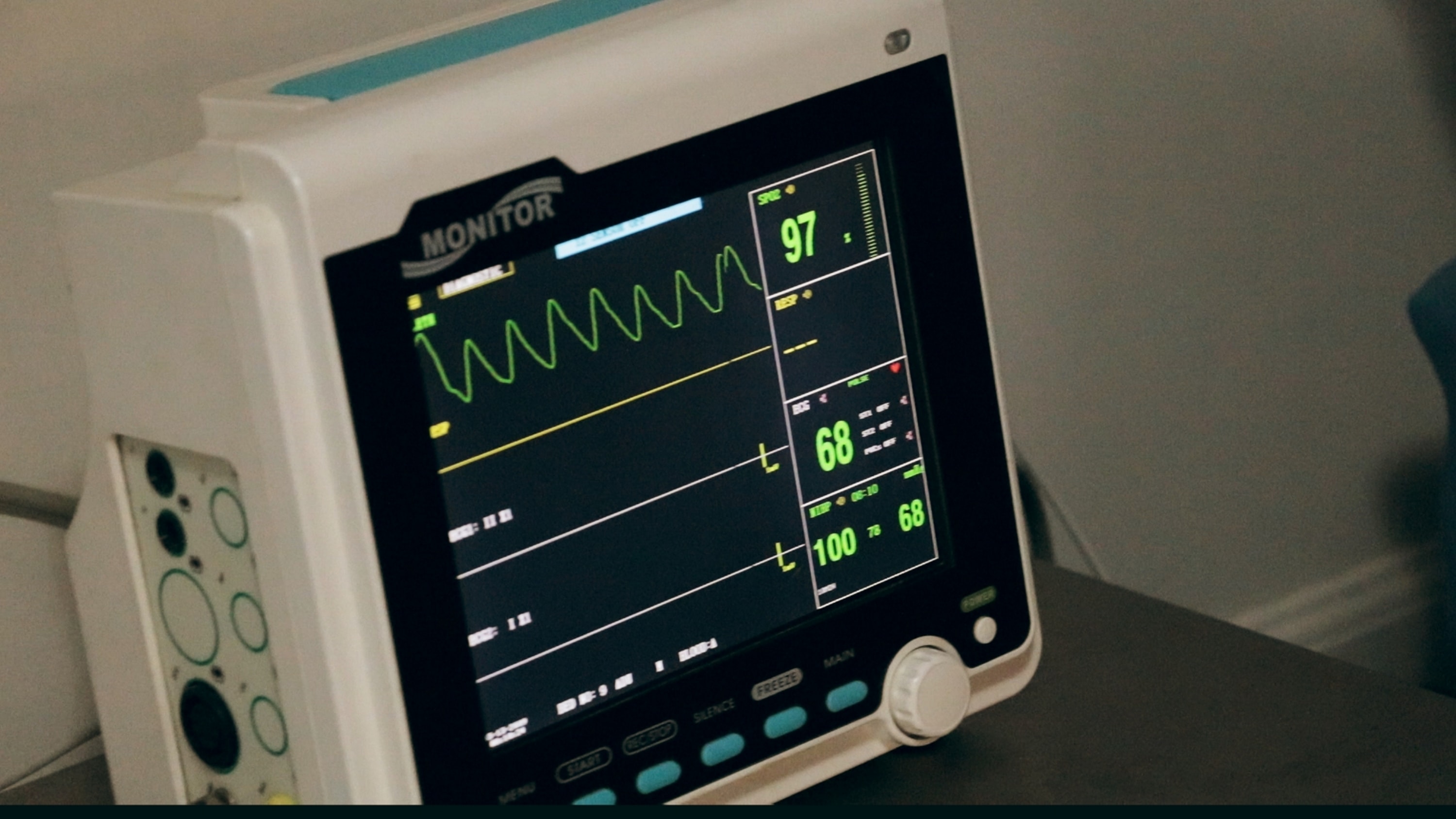
Photoplethysmography of a finger
This activity allows students to measure their heart rate using the smartphone's colorimeter. It establishes a link between photometric sensor technology and physiology.

Limiting factors: photosynthesis
Study the influence of different factors (light, temperature, plant type) on photosynthesis intensity by measuring the rate of CO₂ consumption with FizziQ Connect.

Gas exchange of a plant
Demonstrate photosynthesis and cellular respiration in plants by measuring CO₂ and O₂ exchange in light and darkness with FizziQ Connect sensors.

Pole vault: energy balance
This activity allows students to analyze the complex kinematics of a pole vault and the associated energy transfers. It develops the ability to break down a sporting movement into distinct phases and to understand biomechanical principles.

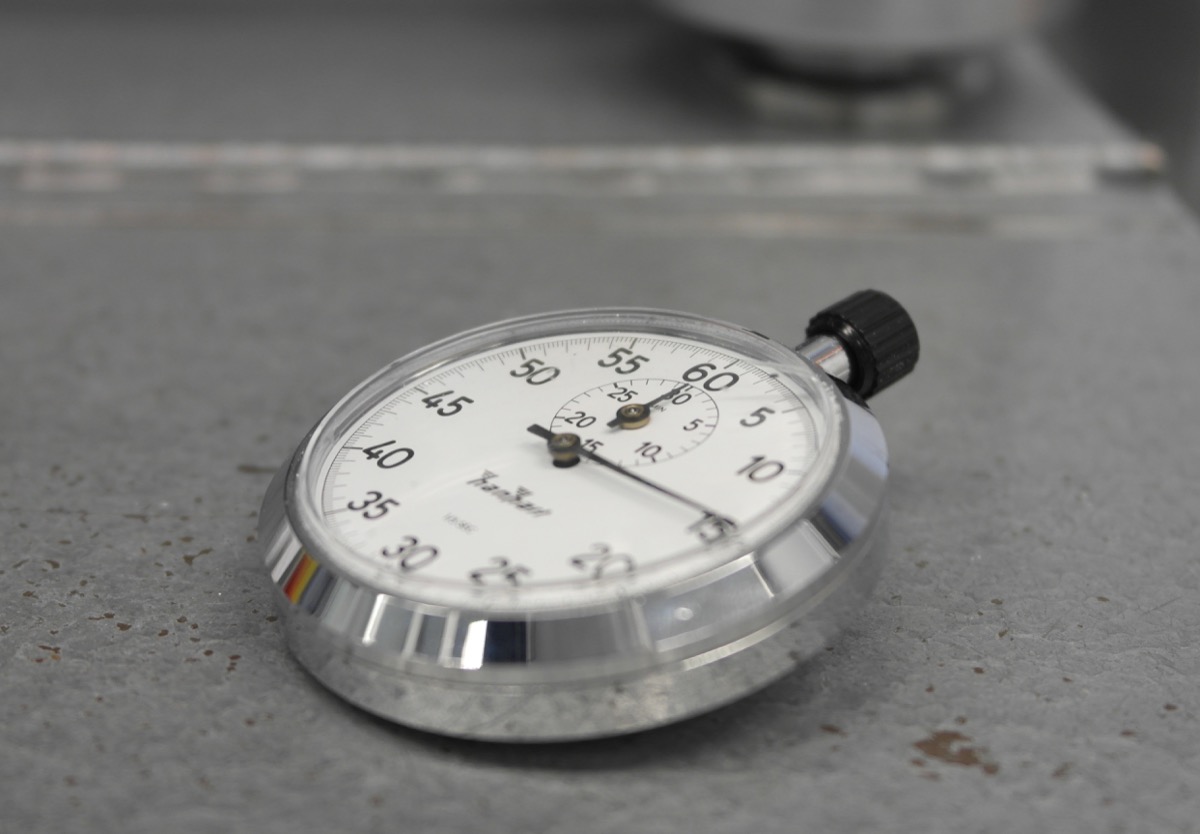
Reaction time by stopwatch
This activity allows students to compare human reaction times to sound stimuli depending on whether the eyes are open or closed. It develops the understanding of sensory and motor mechanisms and the notion of measurement precision.
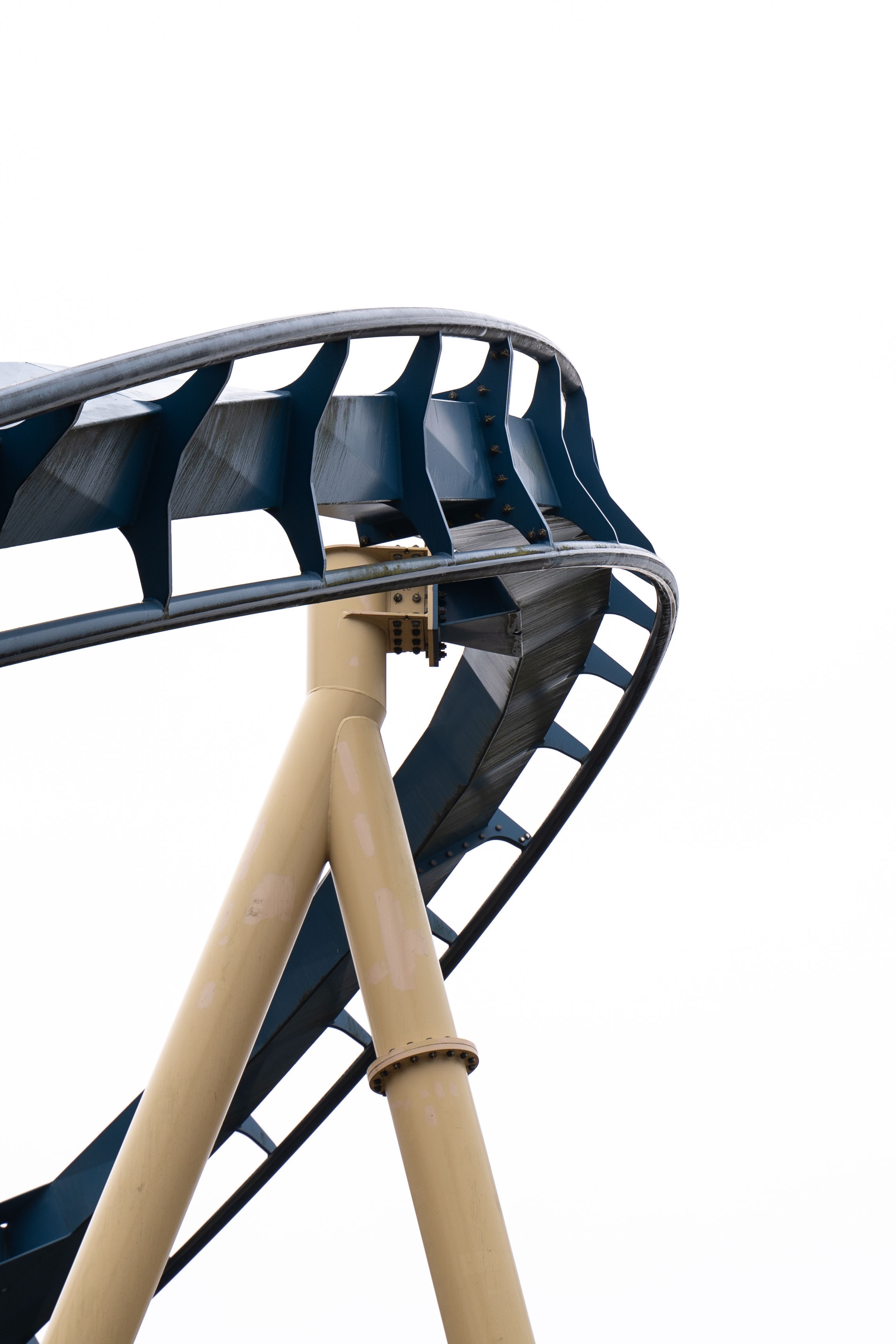
G-forces on a roller coaster
Record G-forces, angular velocity, and atmospheric pressure during a ride to analyze the physics of amusement parks.

Moment of inertia of a cylinder
Measure the angular and linear acceleration of a cylinder rolling on an inclined plane to study the moment of inertia and energy conversion.

Diffusion and retroreflection
This activity allows students to objectively measure the effectiveness of the retro-reflective strips on safety vests. It raises awareness of road safety issues by applying concrete physical principles.

Simple pendulum: T² = f(L)
Discover that a pendulum's period depends on its length but not on amplitude, and verify T = 2π√(L/g) with the FizziQ Web Pendulum simulation.

Speed of a skier on video
This activity allows students to analyze the speed of a skier during an Olympic descent. It develops the ability to decompose a velocity vector and to understand the challenges of kinematic analysis.

Rate of climb in flight
This activity allows students to compare orders of magnitude of vertical speeds in different technological contexts. It develops the ability to analyze GPS data and perform speed calculations.

Trajectory of a football shot
This activity allows students to analyze the kinematics of a football shot using a chronophotograph. It develops the ability to graphically interpret the concepts of variable speed and acceleration.
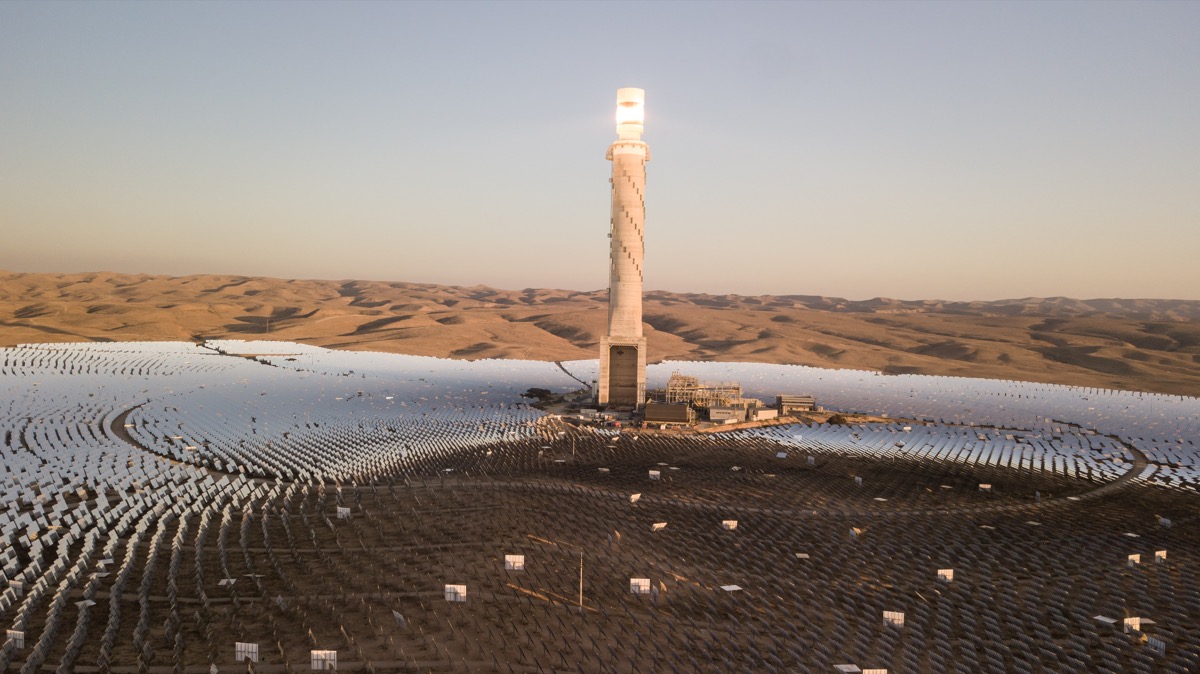
Solar constant by pyrometer
Measure the solar constant using a simplified pyrometer connected to FizziQ Connect and estimate the extraterrestrial irradiance by Bouguer's method.
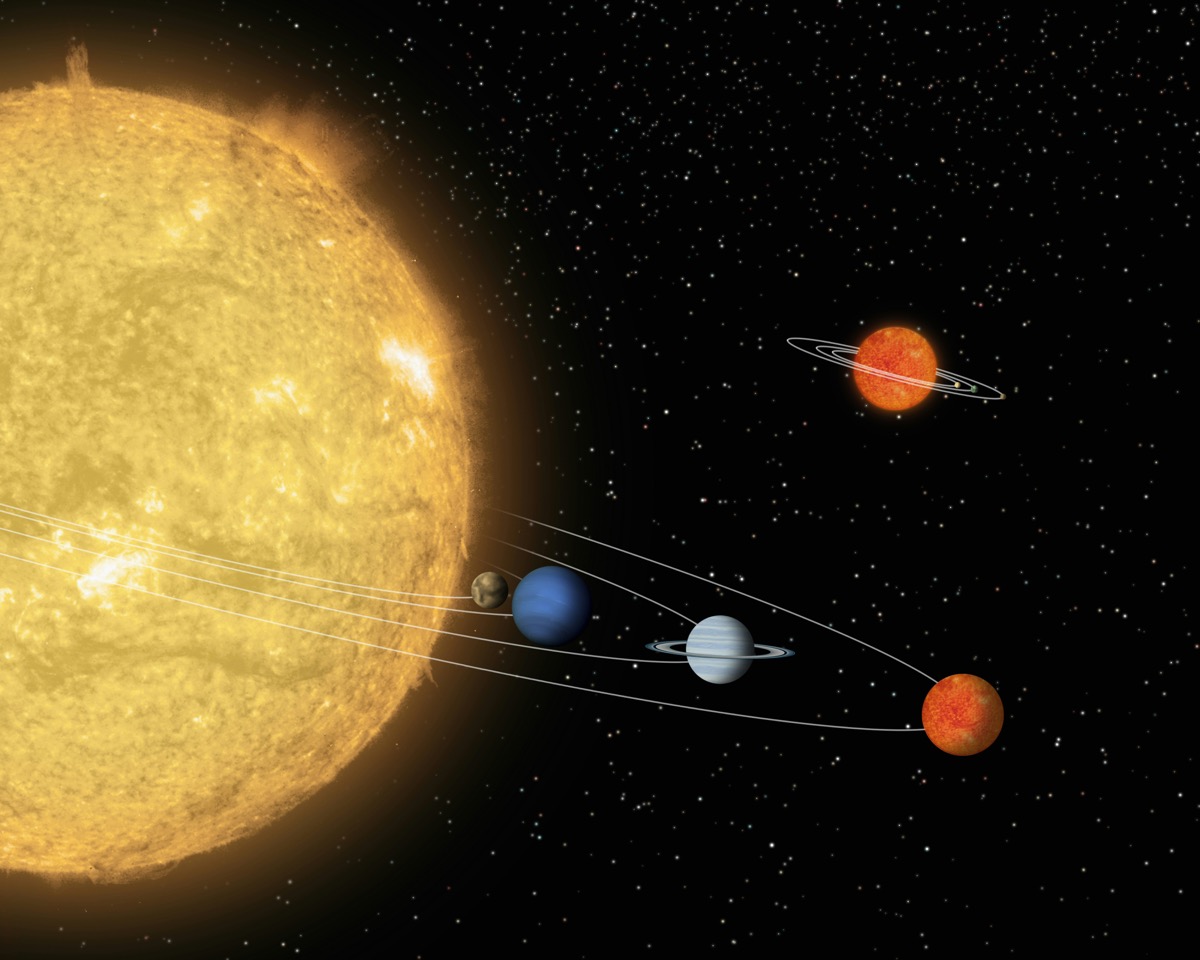
Solar system: Kepler's laws
Model the four terrestrial planets (Mercury, Venus, Earth, Mars) orbiting the Sun with their real distances and speeds in the FizziQ Web Orbits and Gravitation simulation.
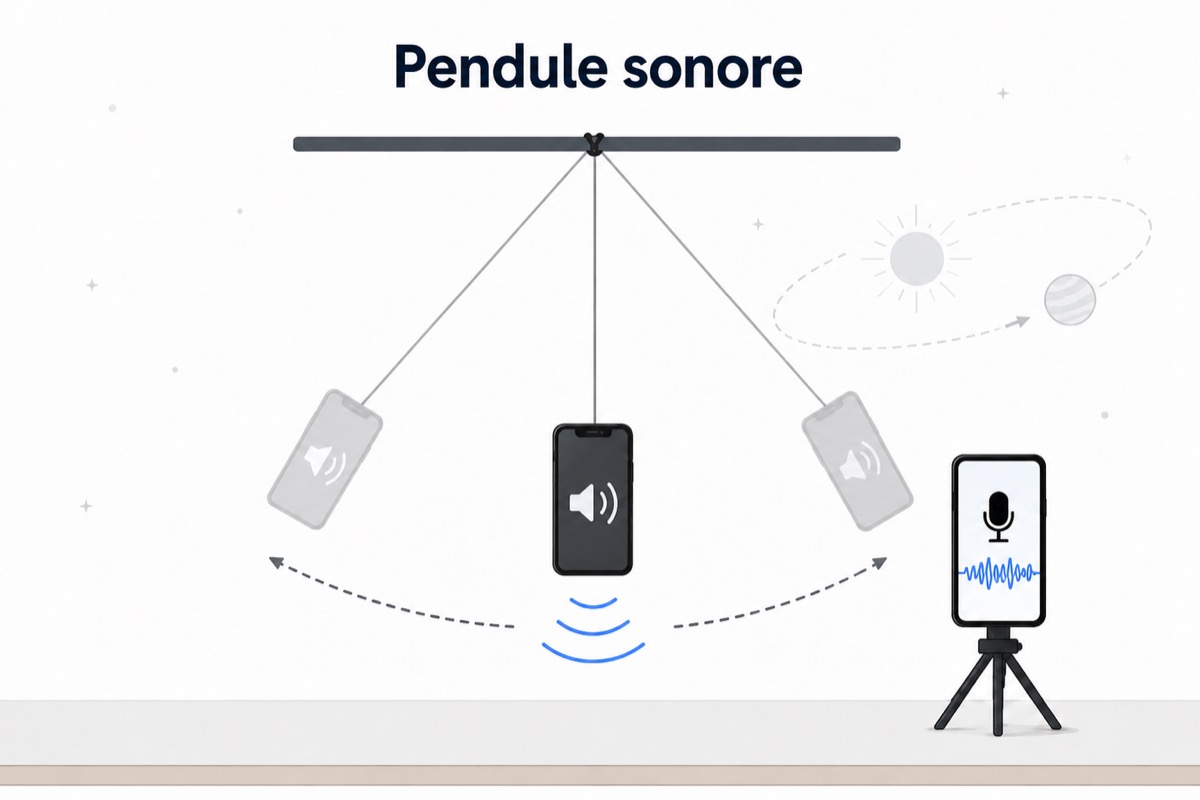
Doppler effect: sound pendulum
This activity allows students to understand the Doppler effect by analyzing the frequency variations of a sound emitted by a moving pendulum. It develops the ability to interpret a complex acoustic phenomenon.
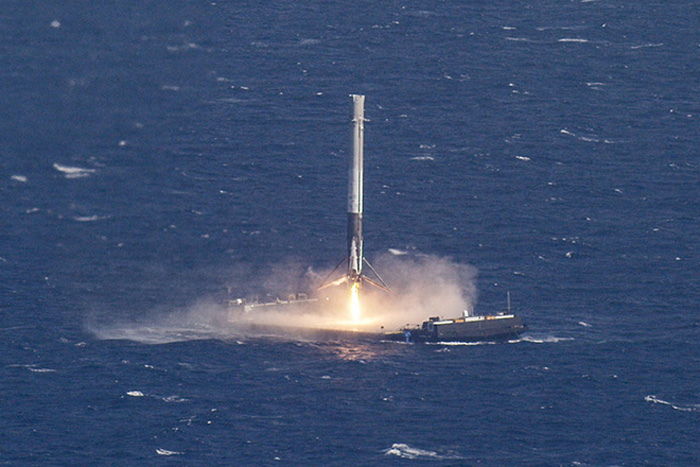
Falcon 9 landing kinematics
This activity allows students to analyze the controlled descent program of a reusable rocket. It develops the ability to interpret kinematic data and understand aerospace engineering strategies.

Speed of sound: two stopwatches
This activity allows students to measure the speed of sound using two synchronized acoustic stopwatches. It reproduces a historic scientific experiment with modern tools.
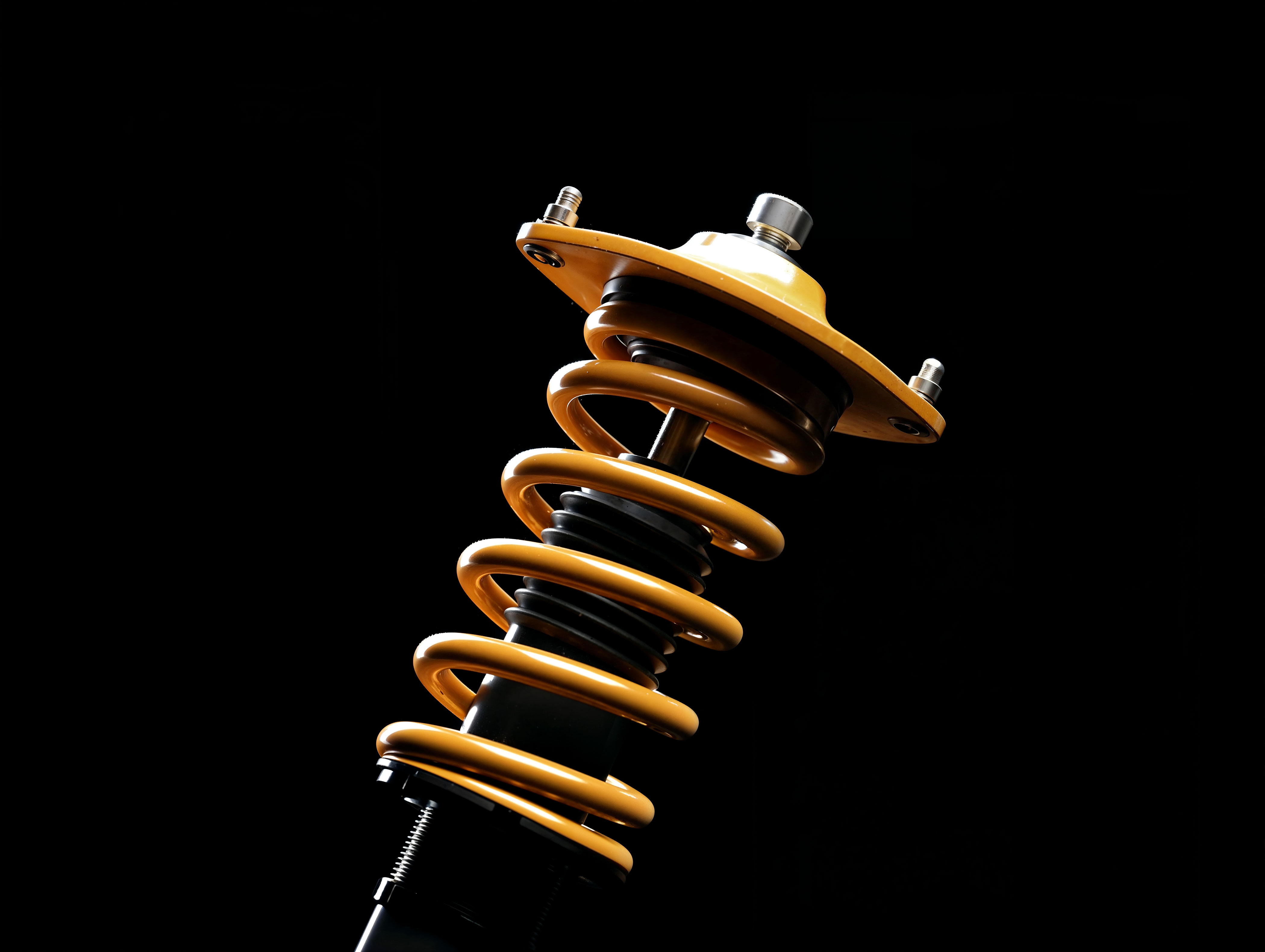
Spring constant: k = 4π²m/T²
Determine the spring constant of a spring by measuring the oscillation period of a spring-mass system with the smartphone accelerometer.

Damping: three regimes
Study the effect of damping on spring oscillations: underdamped, critically damped, and overdamped regimes.

Cardiac auscultation by mic
This activity allows students to transform their smartphone into a stethoscope to visualize their heart rate. It establishes a fascinating link between digital technology and human physiology.

Takeoff speed of an airplane
This activity allows students to use acceleration measurements to calculate the speed of an airplane during takeoff. It concretely applies the principles of kinematics in a real and impressive situation.
Shepard auditory illusion
This activity allows students to discover auditory illusions and understand how our perception can be deceived by complex acoustic phenomena. It develops the spectral analysis of sounds and the understanding of the mechanisms of perception.

Chromatic scale and frequencies
This activity allows students to discover the mathematical relationships between musical notes and their frequencies. It develops the understanding of the physical and mathematical foundations of music.

Helmholtz resonance: a bottle
This activity allows students to determine the speed of sound by analyzing the resonance phenomenon when opening a bottle. It connects physical acoustics and everyday experiences.

Harmonic and inharmonic sounds
This activity helps students understand the difference between harmonic and inharmonic sounds. It develops the ability to analyze the frequency spectrum and recognize the unique characteristics of instrumental timbre.

Timbre and harmonics
This activity allows students to understand why the same note sounds different depending on the instrument that produces it. It develops the ability to analyze the spectrum of a sound and to link acoustics and musical perception.
Thermal convection in water
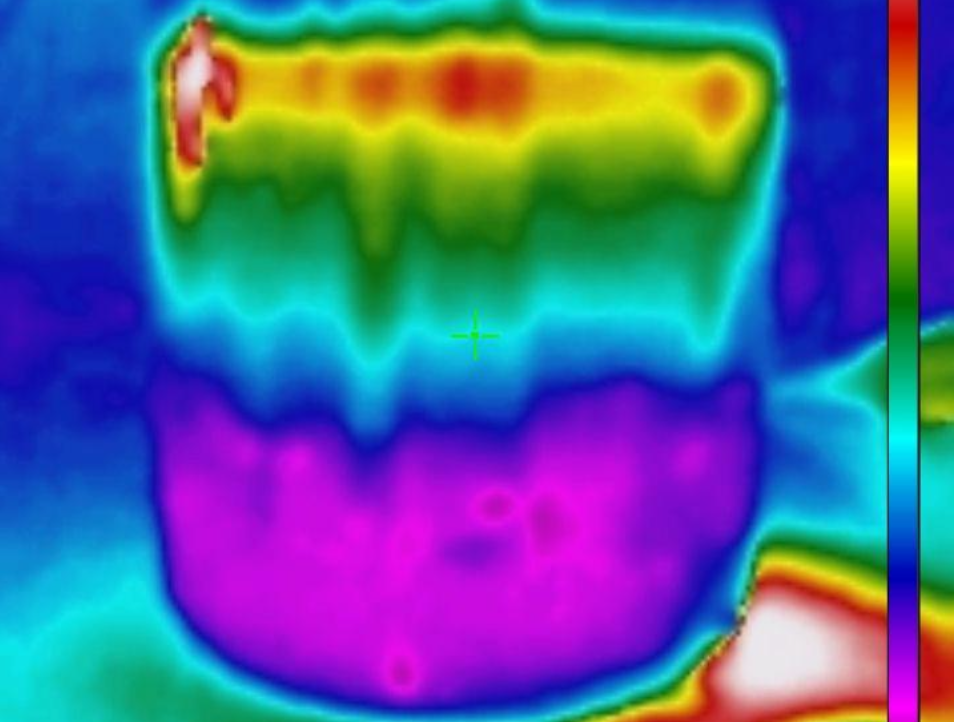
Observe convection currents in a heated liquid by measuring temperature at two heights with FizziQ Connect.

CO₂ convection under a bell jar
Study the convection of hot gases and CO₂ stratification under a bell jar by placing three SCD40 sensors at different heights.
Three-body problem: chaos
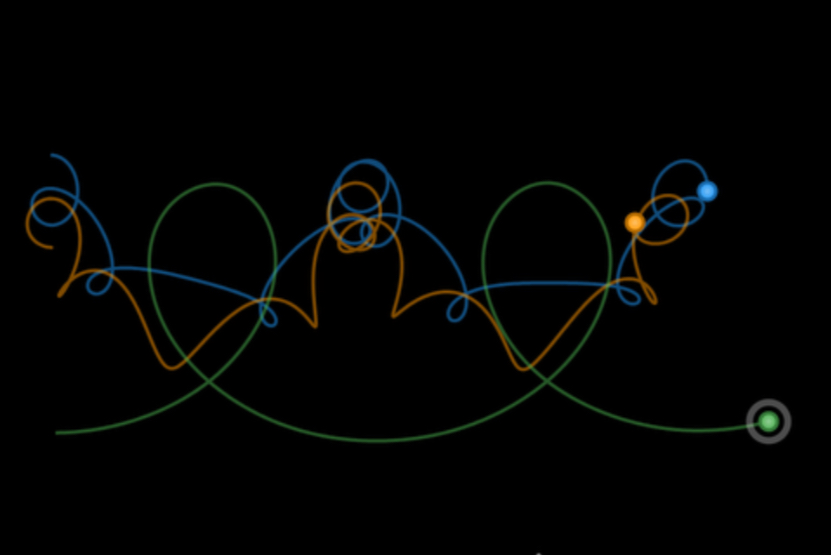
Study deterministic chaos in celestial mechanics by simulating three suns in gravitational interaction with the FizziQ Web Orbits and Gravitation simulation.

Depressurization by barometer
This activity allows students to study a depressurization phenomenon by measuring pressure variations during the operation of airplane toilets. It allows you to concretely apply the gas laws during a flight.
Translunar injection
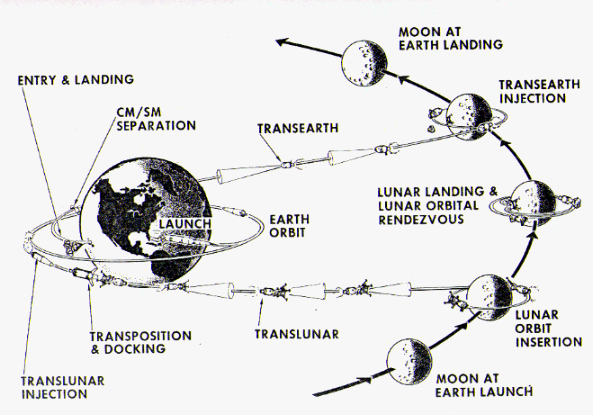
Reproduce the translunar injection manoeuvre of Artemis II in simulation and find the speed of the Earth-Moon-Earth free return trajectory.

Triangulation with a theodolite
This activity allows students to use triangulation to measure distances that are inaccessible in the field. It concretely applies trigonometry principles to real geometric situations.
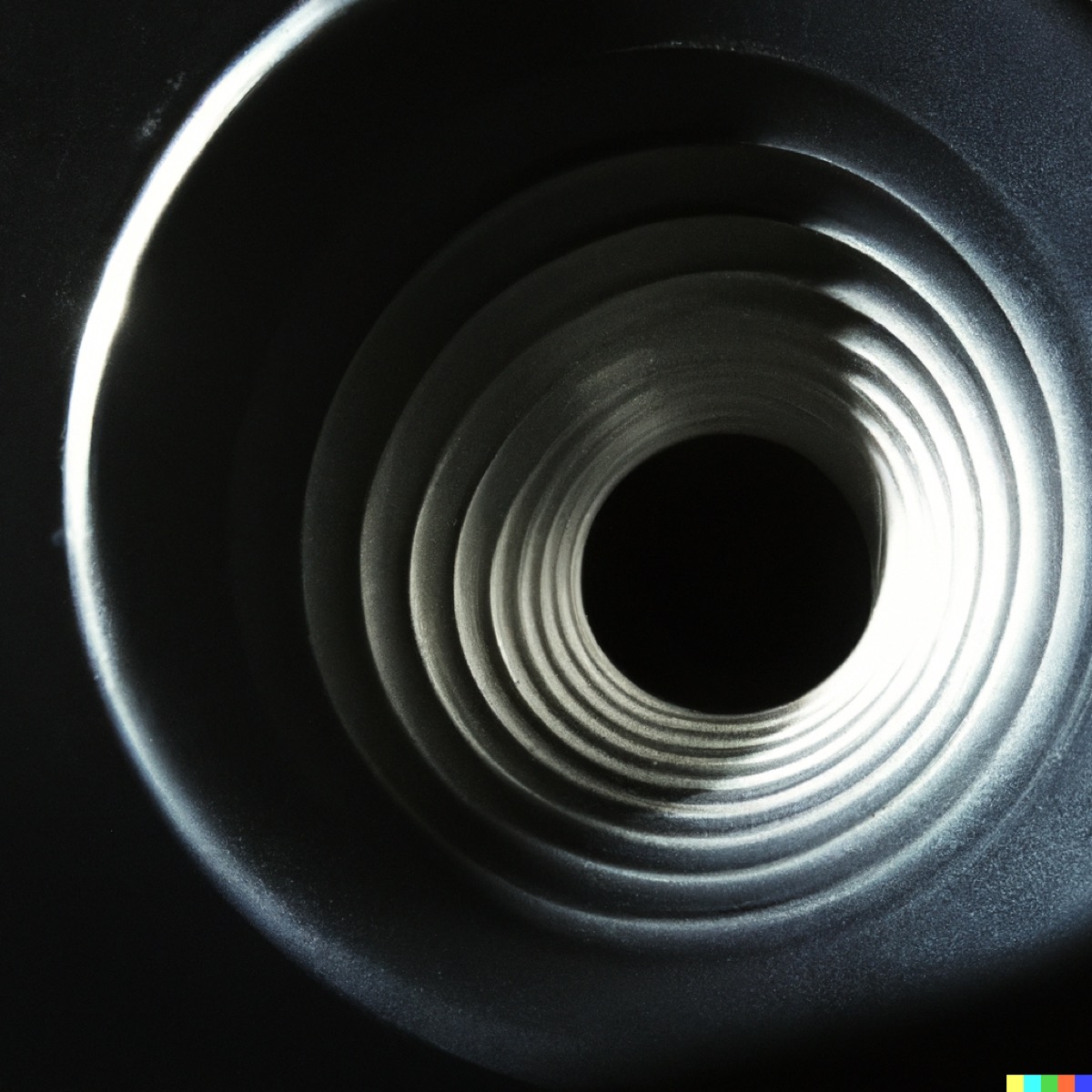
Speed of sound: tube resonance
This activity allows students to measure the speed of sound by analyzing the resonant frequencies of a tube. It illustrates how resonance phenomena can be used to determine physical constants.
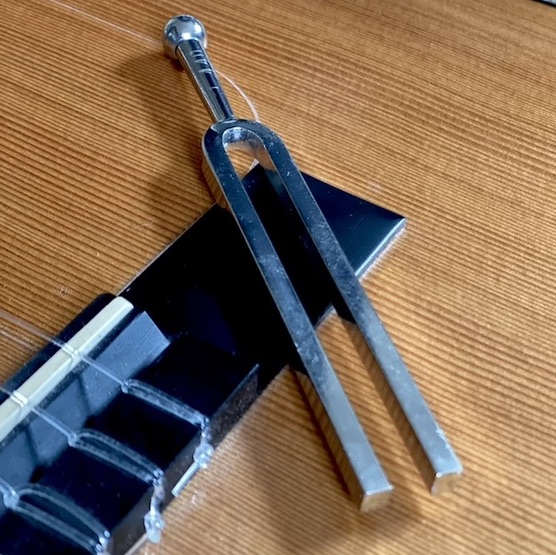
Tuning forks: pitch of A
This activity allows students to discover the historical evolution of the standardization of musical frequencies. She develops sound analysis skills through different frequency measurement methods.

Measurement uncertainty
This activity helps students understand the difference between signal and noise in a physical measurement. It develops critical thinking when faced with data and the statistical approach in experimental sciences.

Uniform rectilinear motion
This activity allows students to understand the concept of Galilean frame of reference and uniform rectilinear motion. It develops the ability to experimentally verify the conditions of an ideal movement.

Specific energy of vaporization
Determine the specific heat of vaporization of water by continuously tracking the mass of water evaporating during boiling with a FizziQ Connect mini-balance.

Spectrum of sung vowels
This activity allows students to understand how the shape of the oral cavities influences the production of vowels. It establishes a link between acoustic physics and articulatory phonetics.

Water clock and Torricelli's law
Study the flow of a water clock by measuring the mass of water collected over time with the FizziQ balance.

Attenuation of a circular wave
Observe wave amplitude attenuation with distance using the floats in the Waves on a Lake simulation in FizziQ Web.

Relation v = λf: surface waves
Verify the fundamental wave relationship v = λ × f by varying the frequency and measuring the wavelength with the FizziQ Web Waves on a Lake simulation.
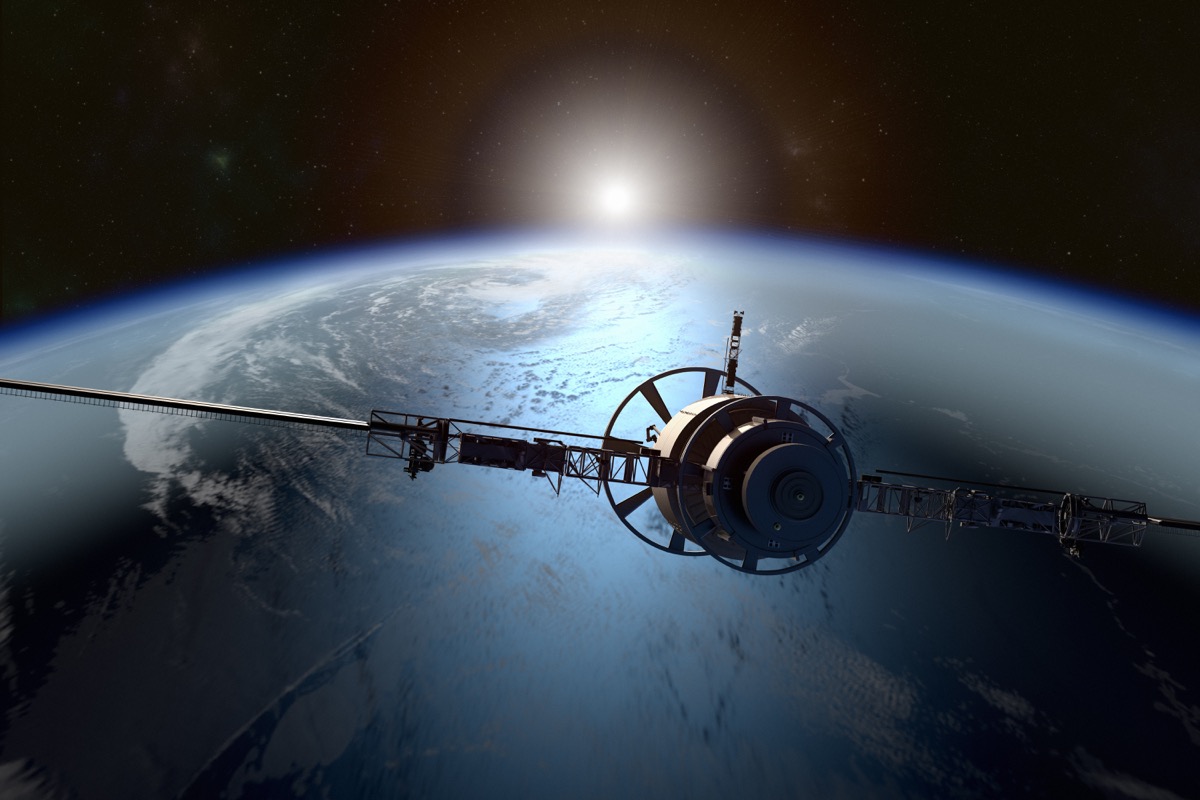
Geostationary orbit: Meteosat
Place a weather satellite in geostationary orbit at 36,000 km altitude to monitor climate, with the FizziQ Web Orbits and Gravitation simulation.

Linear acceleration: principle
This activity allows students to discover how an accelerometer works by directly exploring its responses to different movements. It develops an intuitive understanding of acceleration as a vector quantity.

White noise: spectral content
This activity allows students to discover the frequency composition of white noise and to understand its importance as a reference in acoustics. It develops critical thinking by comparing auditory perception and scientific analysis.
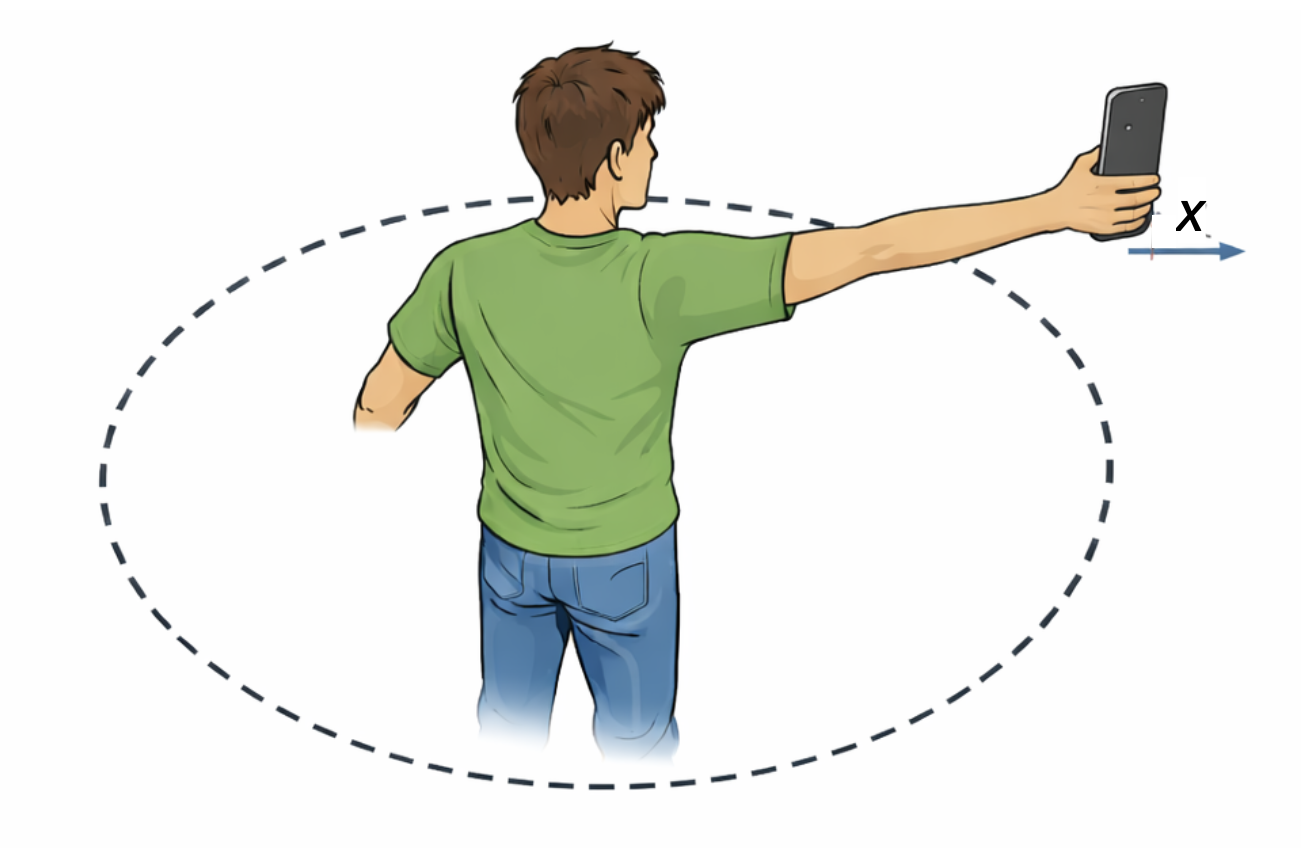
Centripetal acceleration: a = ω²R
Verify the relationship a = ω²·R by spinning with a smartphone held at arm's length.
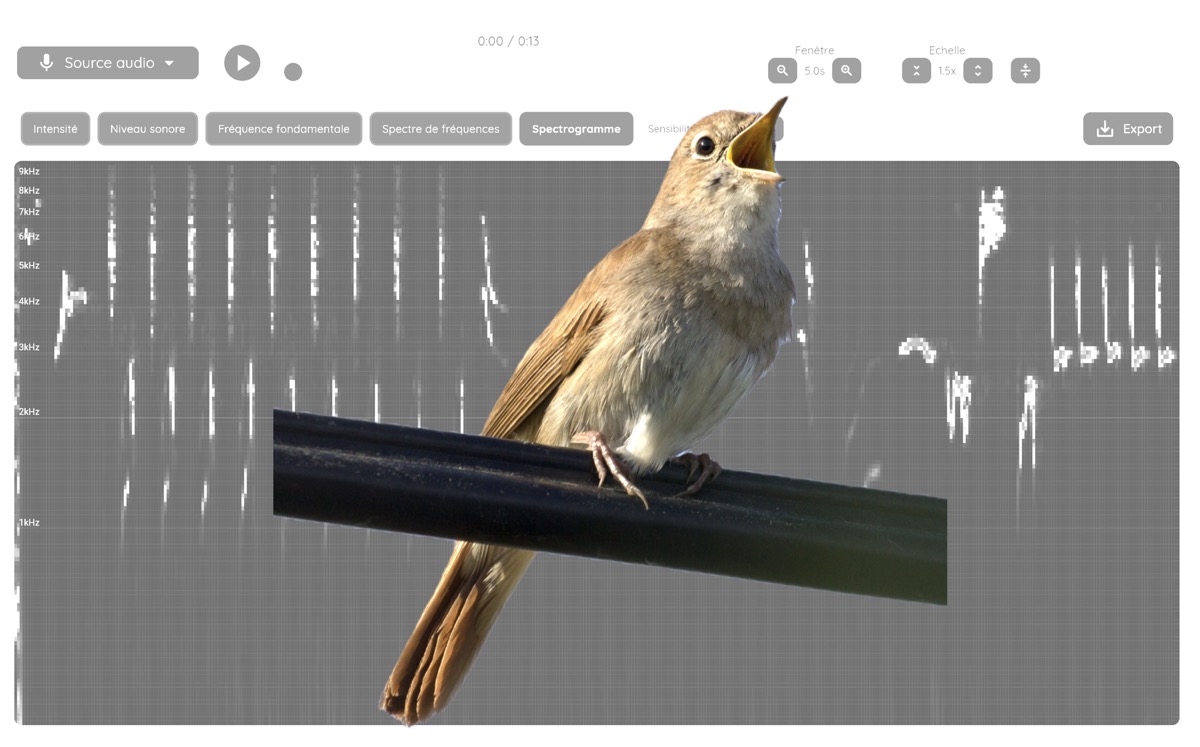
Spectrogram of bird song
Analyze the spectrogram of bird songs to identify their acoustic signature.

Day length and seasons
Explore the influence of seasons on sunrise and sunset times with the FizziQ Junior ephemeris.

Sun height and seasons
Study how the maximum height of the sun in the sky varies throughout seasons using the FizziQ Junior ephemeris and inclinometer.

Air columns and pitch
Explore the relationship between water height in a tube and the musical note produced when blowing into it.
Create your own activities
Download FizziQ and start experimenting with your students today.